Learn how mandibular advancement devices work and their key benefits for snoring and sleep apnoea.
14 October 2025
7 min read.
Share:
Disclaimer: This article is for informational purposes only and isn’t intended to diagnose, treat, or replace professional medical advice. Sleep apnoea is a serious condition that can affect your health and quality of life if left untreated. If you’re experiencing symptoms of sleep apnoea or persistent snoring, it’s strongly recommended that you consult a qualified healthcare professional.
Snoring and obstructive sleep apnoea (OSA) affect millions of people, often disrupting rest and daily energy. While some individuals benefit from continuous positive airway pressure (CPAP) therapy, others find it difficult to tolerate.
For those seeking a non-invasive alternative, a mandibular advancement device (sometimes called a MAD, mandibular advancement splint, or mandibular device) can provide an effective and comfortable solution. These oral appliances are among the most widely recommended options for managing mild to moderate OSA and snoring.
What is a mandibular advancement device?
A mandibular advancement device, also known as a mandibular mouth guard or mandibular repositioning appliance, is a small oral device worn at night. It works by gently moving the lower jaw (mandible) and tongue slightly forward, which helps keep the airway open during sleep.
This forward movement prevents soft tissues from collapsing into the throat, reducing airway blockage and the vibrations that cause snoring. A mandibular advancement device is a widely recommended and NHS-recognised treatment for tongue-based snoring and for mild to moderate obstructive sleep apnoea.
The result is smoother airflow through the upper airway, which can help improve sleep quality over time.
Benefits of mandibular advancement devices
People who use a mandibular advancement device often report several notable benefits:
Helps improve airflow during sleep – by gently moving the lower jaw forward, mandibular advancement devices help keep the airway open, which can reduce the restriction that often leads to snoring and mild obstructive sleep apnoea.
Reduces snoring sounds – with the airway less obstructed, vibrations in the throat are less likely to occur, helping to create quieter nights for both you and your partner.
Supports more comfortable, less interrupted sleep – by keeping breathing passages clearer, many people find they experience fewer awakenings related to snoring or mild sleep apnoea.
Simple and non-invasive – mandibular advancement devices are worn in the mouth, require no machinery, and can be removed at any time, making them a convenient option for suitable users.
Medical-grade and clinically recognised – made to high medical standards and widely recommended by dentists and sleep specialists as an effective, non-invasive option for managing snoring and mild obstructive sleep apnoea.
Because they are comfortable, discreet, and easy to use, mandibular advancement devices are often considered a good starting point for people looking to manage snoring or mild sleep apnoea at home.
Are mandibular advancement devices safe?
Mandibular advancement devices are generally safe for most people, providing a non-invasive and effective way to manage mild to moderate sleep apnoea and snoring. Before starting any new treatment, it’s always best to speak with a healthcare professional or dentist to make sure the device is suitable for you, particularly if you have existing dental work, jaw problems, or other medical conditions that could affect fit or comfort.
Long-term research supports both the safety and effectiveness of these devices. The ORCADES five-year follow-up study found that mandibular advancement device therapy remained effective over several years, with high levels of patient satisfaction and ongoing use. The study also reported good adherence among users and no new safety concerns during long-term follow-up.
Some people may experience mild, short-term effects such as jaw stiffness, tooth tenderness or increased saliva when first wearing the device. These are usually temporary and ease as your mouth adjusts.
Types of mandibular advancement devices
There are several types of mandibular advancement devices available, each designed to suit different needs, preferences, and budgets. The main types differ in how they are fitted, adjusted, and held in place during sleep.
Custom-made devices:
Fitted by: A dentist or sleep specialist. How they’re made: Impressions or digital scans of your teeth are used to create a device tailored precisely to your bite. Pros: Designed for an exact fit and long-term comfort, often used for more established cases of sleep apnoea. Cons: Usually more expensive and require dental appointments for fitting and adjustment.
Boil-and-bite devices:
Fitted by: At home (seek fitting guidance where possible, as most can’t be remoulded once set). How they’re made: Softened in hot water and moulded to your teeth by biting down to create a personal fit. Pros: Convenient, affordable, and easy to fit at home. Cons: Fit and comfort can vary depending on how carefully the moulding process is followed.
Adjustable devices:
Fitted by: Some are custom-made, while others can be fitted at home. How they work: Include small screws, straps, or connectors that allow you to gradually move the lower jaw forward until a comfortable and effective position is found. Pros: Allow for fine-tuning of the lower jaw position for optimal comfort and airflow. Cons: Slightly more complex to set up than single-position devices and may take more time to adjust to.
Fixed devices:
Fitted by: A dentist or supplied as a simple at-home version. How they work: Hold the lower jaw in a single forward position throughout the night. Pros: Simple design and easy to use. Cons: The position cannot be altered once fitted.
Single-piece vs. two-piece designs:
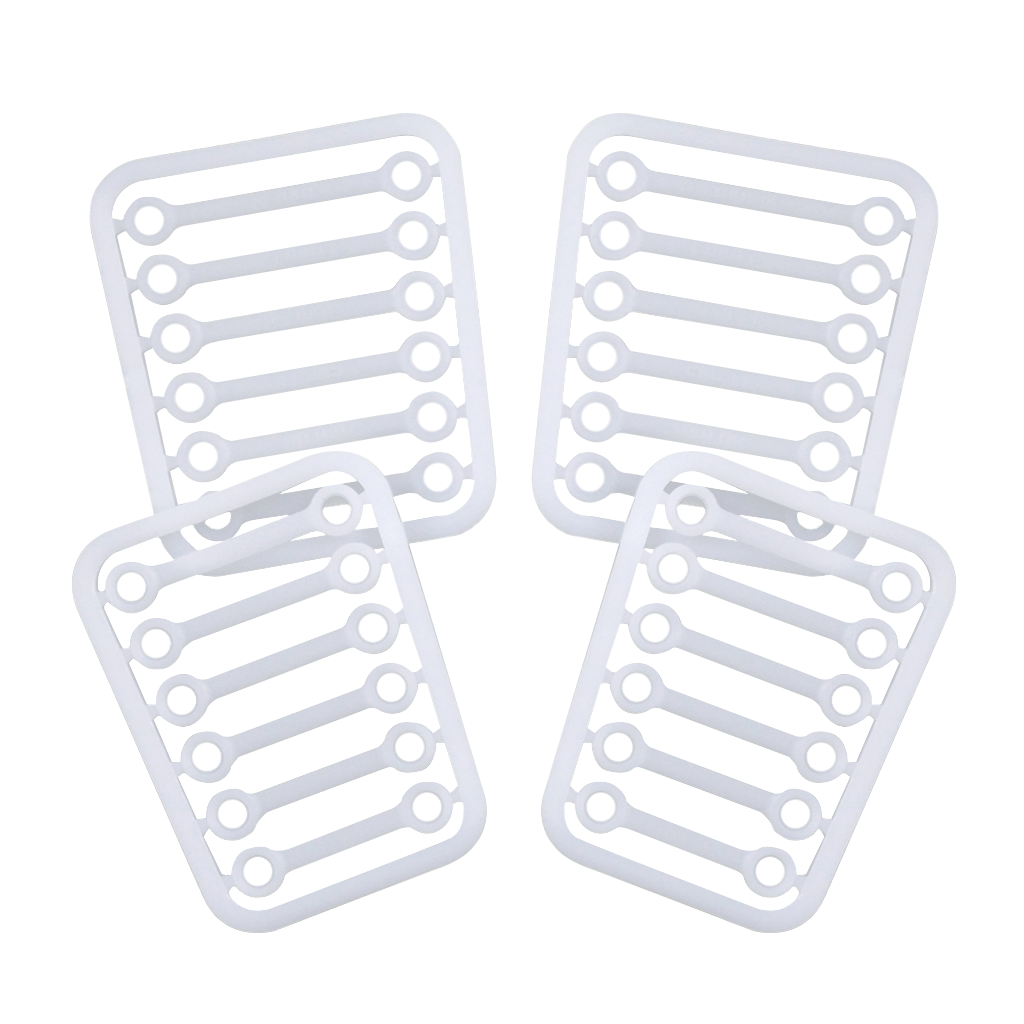
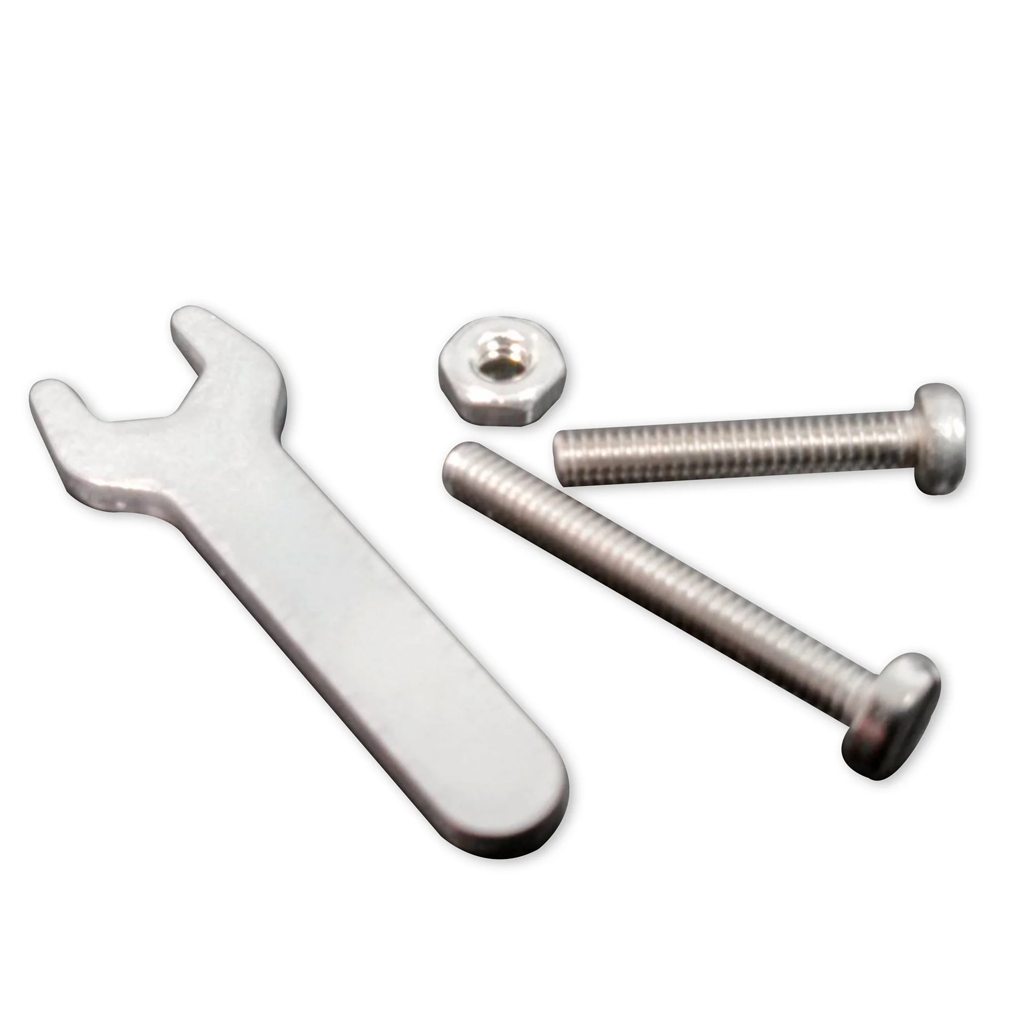
Single-piece devices: Upper and lower trays are joined together, holding the jaw in one position. These are simpler to use. Two-piece devices: Separate upper and lower trays are connected by elastic bands, rods, or screws, allowing greater flexibility and fine adjustment of the lower jaw for improved comfort during sleep.
Tips for using a mandibular advancement device
When using a mandibular advancement device, it’s important to follow the fitting and care instructions carefully to ensure it works effectively and remains comfortable over time. A few simple steps can help you get the best results and maintain your device properly.
Check with your dentist or healthcare professional first – it’s best to confirm that a mandibular advancement device is suitable for you, especially if you have existing dental work, jaw discomfort, or other medical conditions.
Follow fitting instructions carefully – correct fitting ensures comfort and effectiveness, whether your device is custom-made or a boil-and-bite version moulded at home.
Start gradually – try wearing your device for short periods in the evening before using it overnight. This helps you become familiar with the fit and feel.
Clean daily – rinse the device after each use and store it in a clean, dry case to maintain hygiene and prolong its lifespan. Always check the manufacturer’s care guidelines before cleaning.
Check comfort regularly – if you notice ongoing discomfort or changes in bite alignment, speak to your dentist or healthcare provider for advice or adjustment.
Where to buy mandibular advancement devices
Mandibular advancement devices can be obtained through a dentist, a sleep clinic, or from trusted medical retailers. When buying online, it’s important to choose a device from a reputable supplier to ensure it meets medical-grade standards and includes clear fitting instructions.
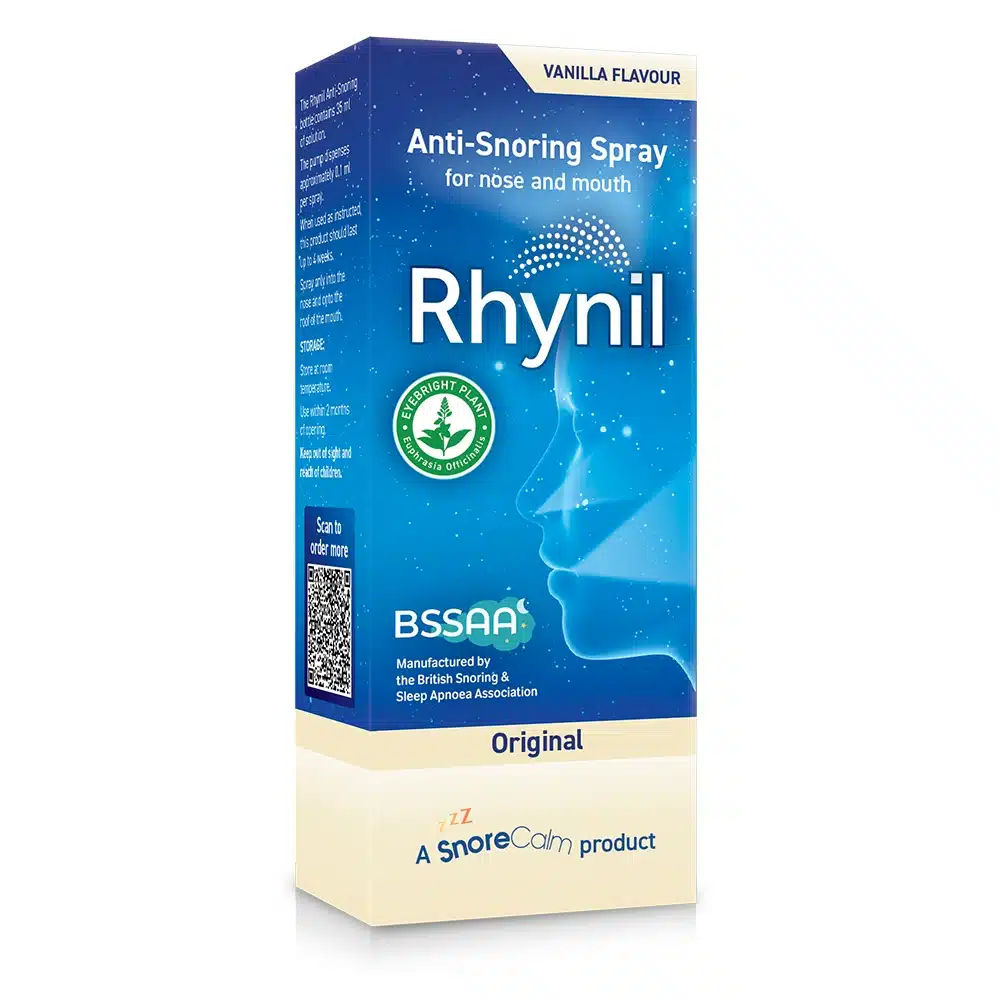
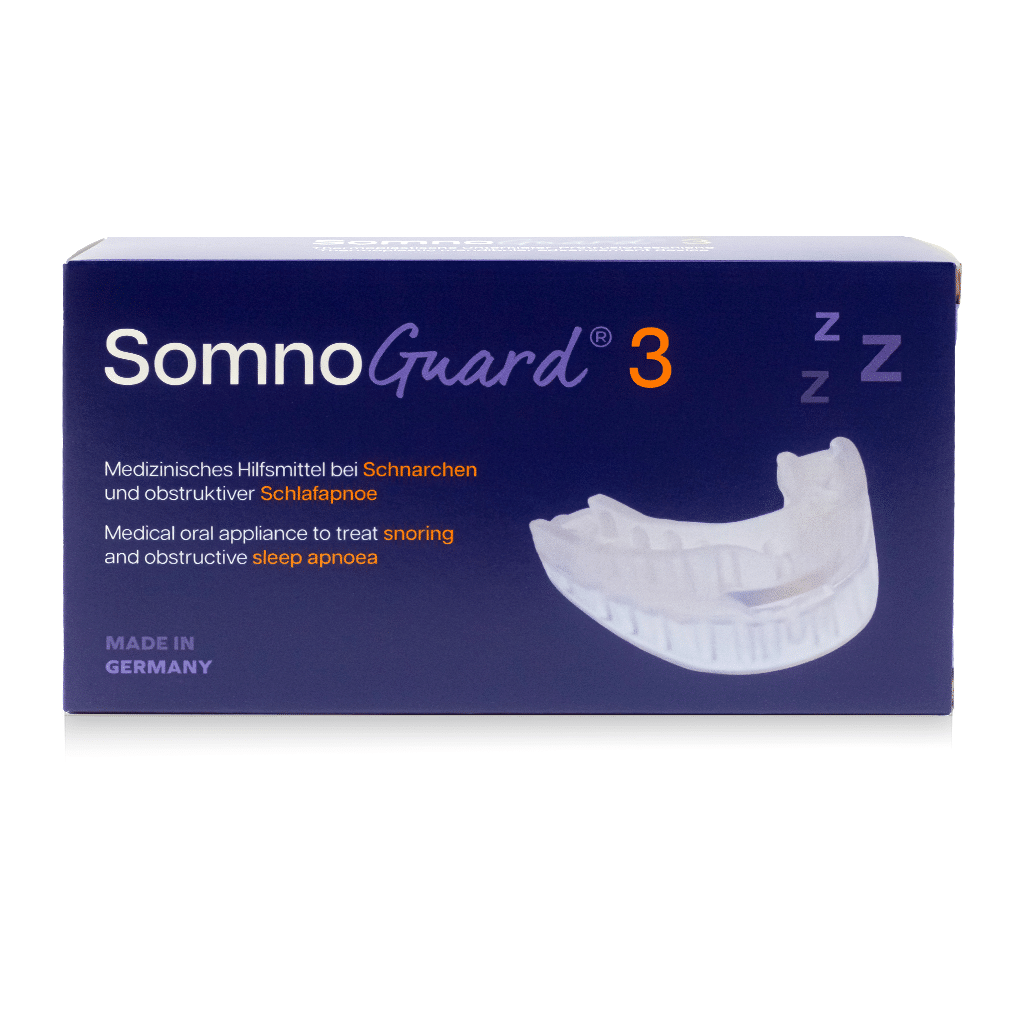
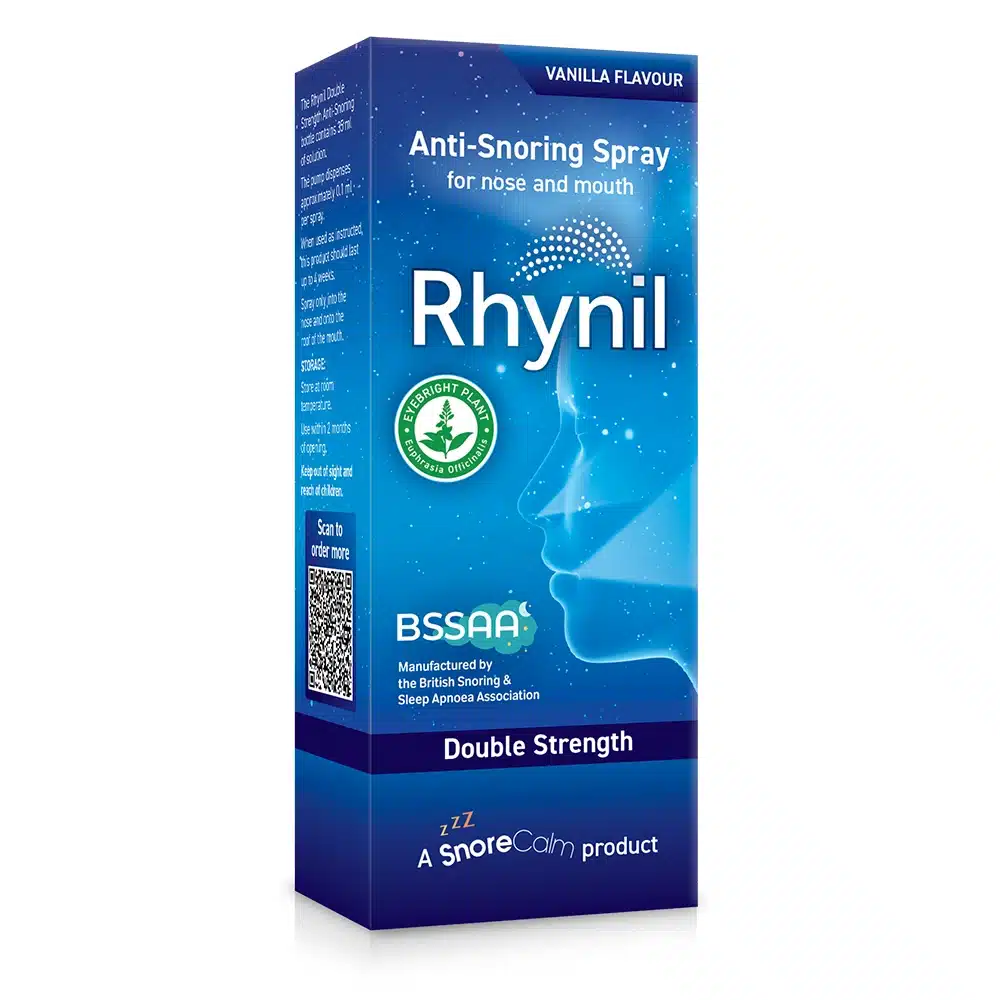
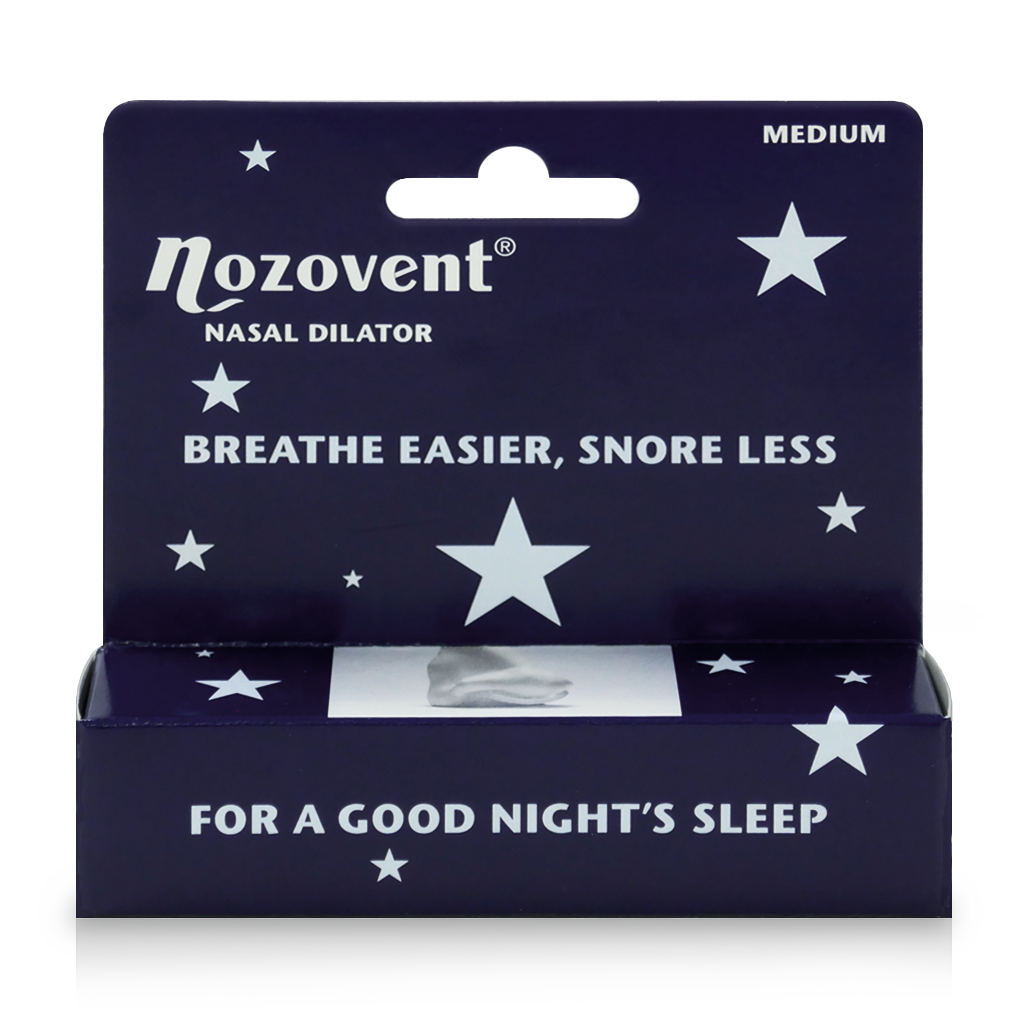
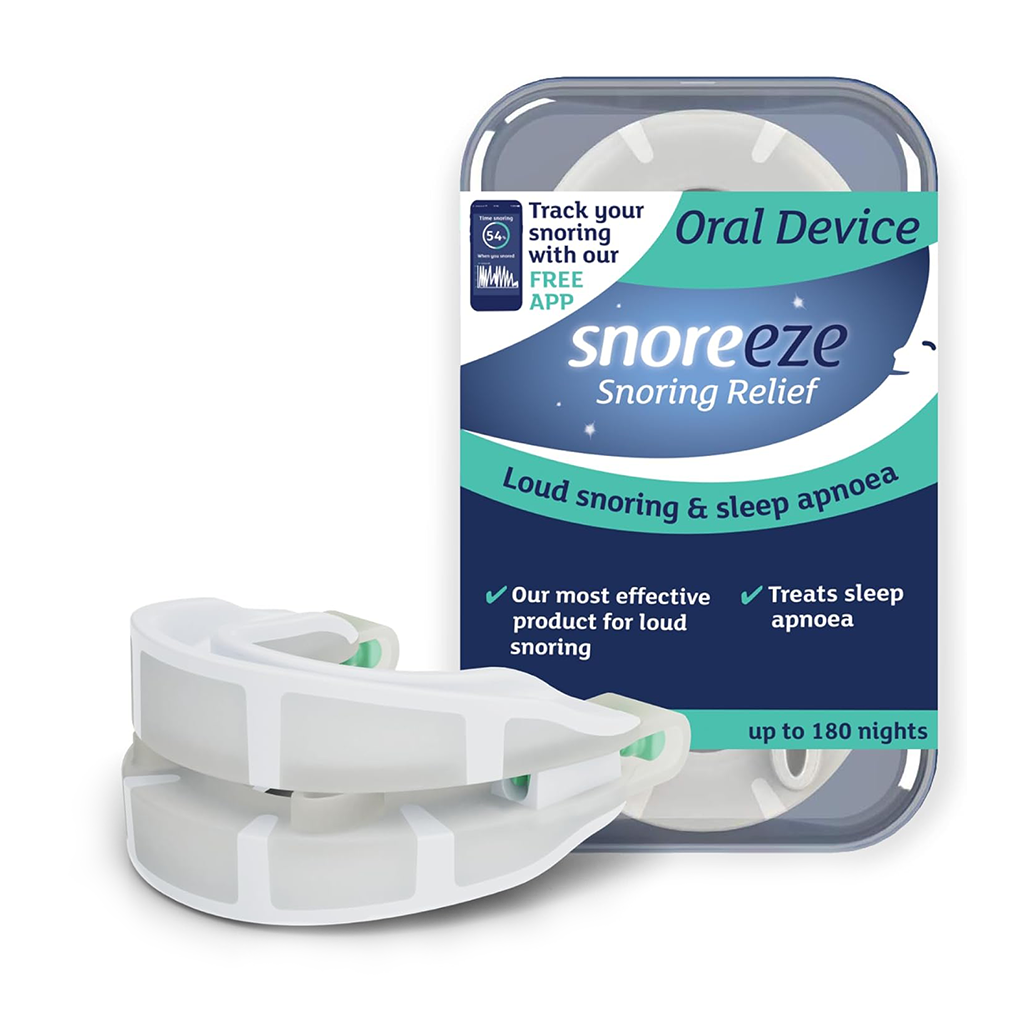
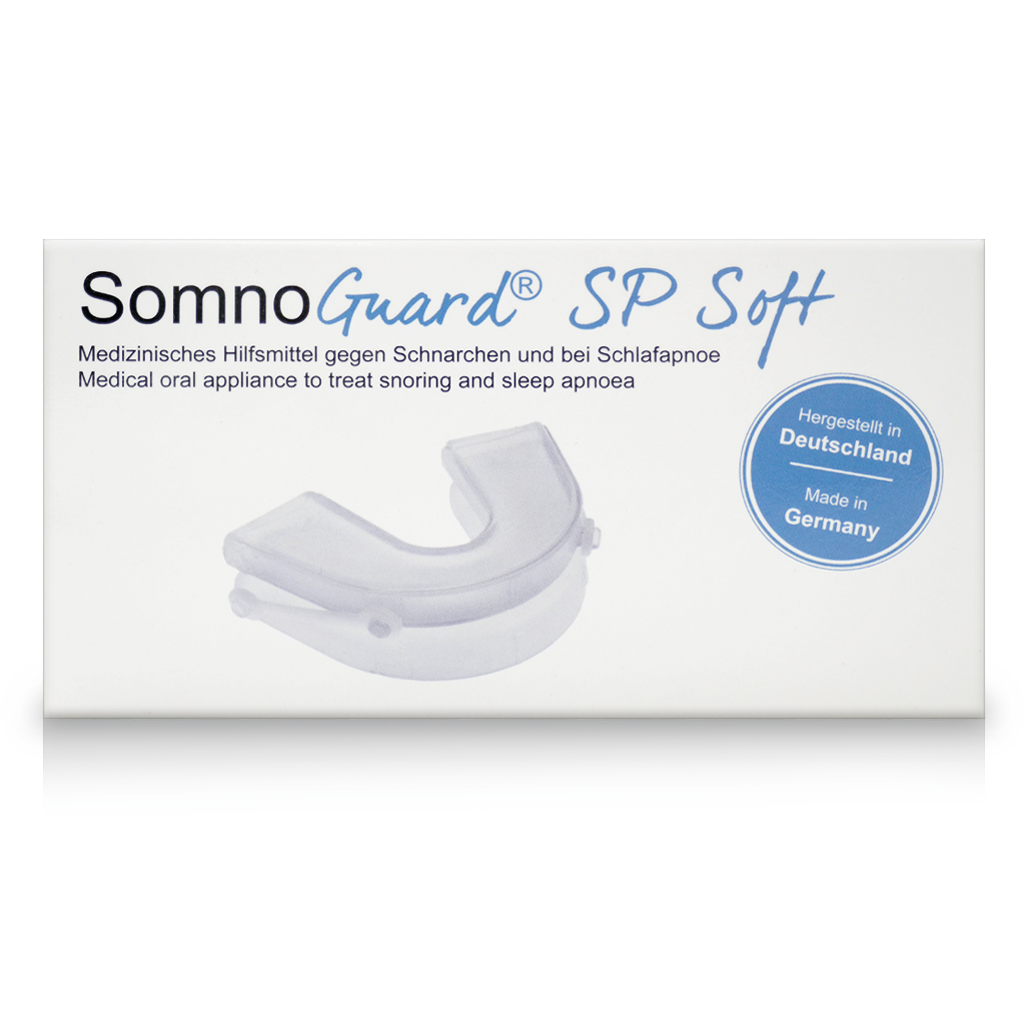
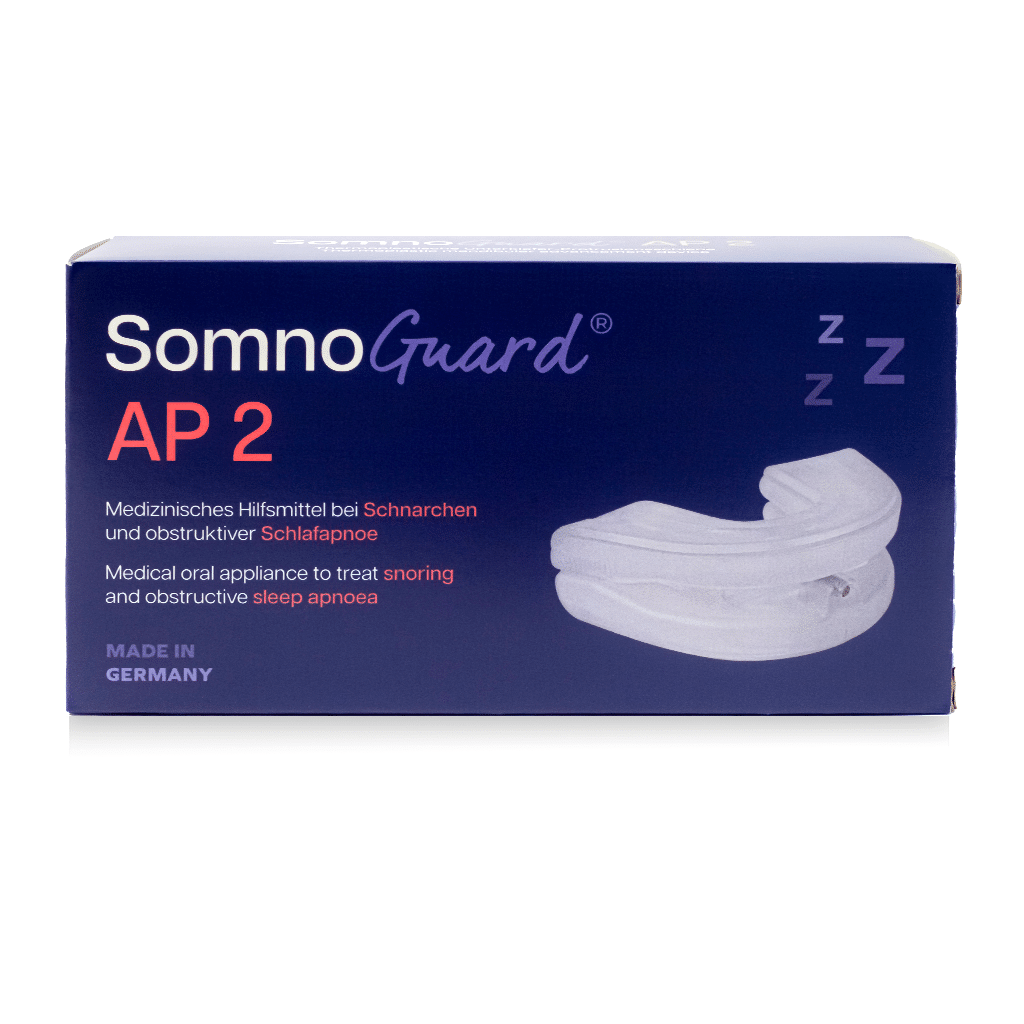
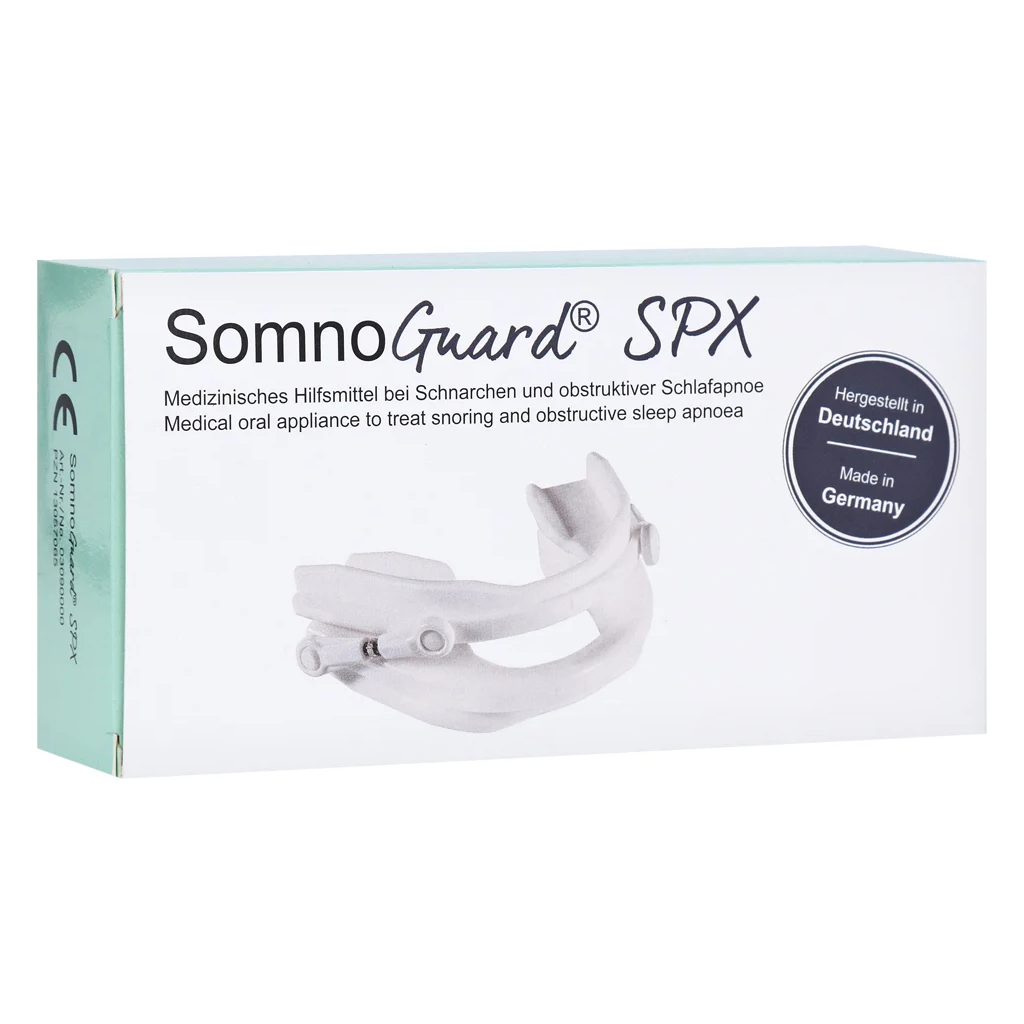
Top picks available through the British Snoring & Sleep Apnoea Association:
Snoring and sleep apnoea can affect both sleep quality and overall wellbeing. A mandibular advancement device offers a clinically recognised, non-invasive way to help keep the airway open during sleep and reduce snoring in suitable users.
Whether you choose a single-piece or two-piece adjustable design, finding a well-fitted device and following the manufacturer’s instructions are key to achieving the best results.
If you’re unsure which type of device is right for you, speak with your dentist or healthcare professional for guidance, or explore the range of medical-grade mandibular advancement devices available through the British Snoring & Sleep Apnoea Association.
FAQs: Mandibular advancement devices
How do I clean a mandibular advancement device?
Rinse your device after each use and store it in a clean, dry case. Avoid hot water, toothpaste, or harsh cleaners, as these can damage the material. Always check the manufacturer’s care instructions before cleaning.
How much does a mandibular advancement device cost?
Prices vary depending on the type and design. Boil-and-bite models generally cost less than custom-made versions fitted by a dentist.
How long does it take to get used to wearing a mandibular advancement device?
Most people adjust within one to two weeks. Starting with short periods of evening wear before sleeping overnight can make the transition easier.
What’s the difference between a mandibular advancement device and a mouth guard?
Discover the difference between a mandibular advancement device and a regular mouth guard, and find out which might be right for you. Read more.