Disclaimer: This article is for informational purposes only and isn’t intended to diagnose, treat, or replace professional medical advice. If you’re experiencing persistent snoring or symptoms of sleep apnoea, it’s strongly recommended that you consult a qualified healthcare professional.
Alcohol and snoring: Why a few drinks can lead to noisier nights
A glass of wine with dinner or a few drinks at a social occasion can feel like a good way to unwind. However, many people notice that snoring becomes louder or more frequent after drinking alcohol.
This is a common experience. Alcohol and snoring are closely linked because alcohol affects the brain, muscles, and airways in ways that can make breathing noisier during sleep. Understanding this connection can help you make a few simple adjustments that support quieter and more comfortable nights.
How alcohol affects breathing during sleep
Alcohol travels throughout the body and acts as a central nervous system depressant. This slows the brain’s responses and causes muscles to relax more deeply than they would during a normal night’s sleep.
This includes the muscles in the throat that help keep the airway open while you sleep. When these muscles relax more than usual, the airway can narrow or partially collapse, making airflow less smooth and increasing the likelihood of snoring.
Alcohol can also affect how quickly the brain responds to changes in breathing during sleep. For people who already snore, this can sometimes make breathing feel less steady through the night.
Why alcohol can make snoring worse
Extra muscle relaxation
Alcohol encourages the muscles at the back of the throat, known as the oropharynx, to relax more than usual. When this happens, the airway can narrow further during sleep, increasing vibration and making snoring more noticeable.
Nasal irritation and congestion
Some people find that alcohol makes their nose feel a little blocked or irritated. This can make breathing through the nose harder and increase the chance of mouth breathing, which is a common trigger for snoring.
Drying of the airway
Alcohol can also have a drying effect on the throat. A dry airway can make snoring sound louder or more noticeable, even if nothing else has changed.
Because alcohol relaxes the airway, it can place extra strain on breathing during sleep. In people who already snore, this can sometimes lead to more noticeable breathing disturbances, including brief pauses in breathing.
Obstructive sleep apnoea (OSA) is a condition where breathing repeatedly stops and starts during sleep. These pauses can last for several seconds and may happen many times throughout the night.
This doesn’t automatically mean you have sleep apnoea. Many people who snore after drinking alcohol don’t have a diagnosed sleep condition. However, alcohol is known to worsen existing sleep apnoea and can make symptoms more noticeable.
If snoring is very loud, happens most nights, or is accompanied by choking or gasping sounds, long pauses in breathing, or ongoing daytime tiredness, it’s a good idea to speak to a healthcare professional for further advice.
Simple ways to reduce snoring after drinking
Snoring after drinking is common, but small, practical changes can often make nights feel quieter and more comfortable.
1. Try the four-hour rule
If possible, aim to have your last alcoholic drink at least four hours before going to bed. This gives your body more time to process the alcohol, which may help reduce its impact on breathing during sleep.
2. Stay well hydrated
Alcohol can dry out the throat and nasal passages. Drinking water alongside alcohol, and having a glass of water before bed, can help keep the airway more comfortable overnight.
3. Keep your head slightly elevated
Sleeping with your head raised a little can help reduce airway collapse and support easier breathing. Using an extra pillow or adjusting your sleeping position can be enough for some people, particularly on nights when snoring feels worse than usual. 4. Consider a mandibular advancement device
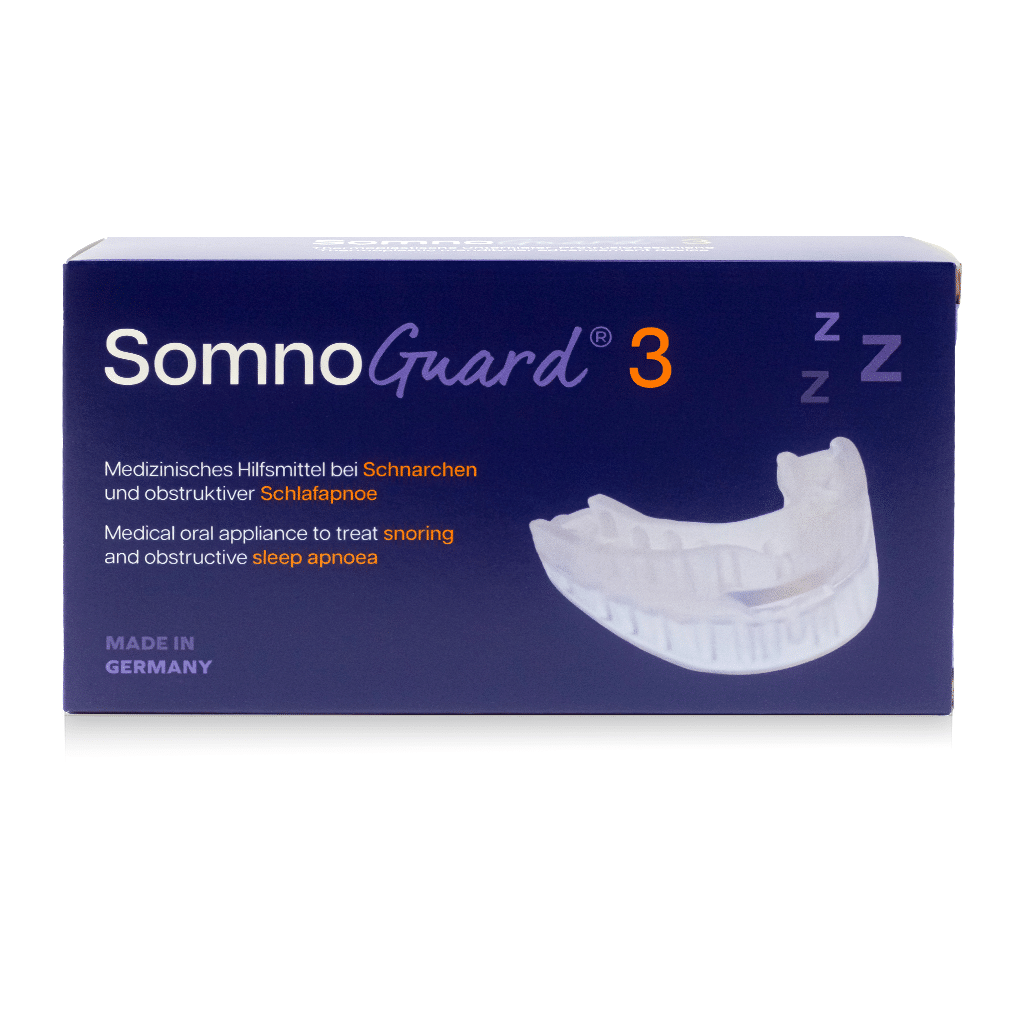
For some people, a mandibular advancement device can help support jaw position and keep the airway more open during sleep. This may be useful if snoring is something you notice regularly, including after drinking alcohol.
5. Support nasal breathing
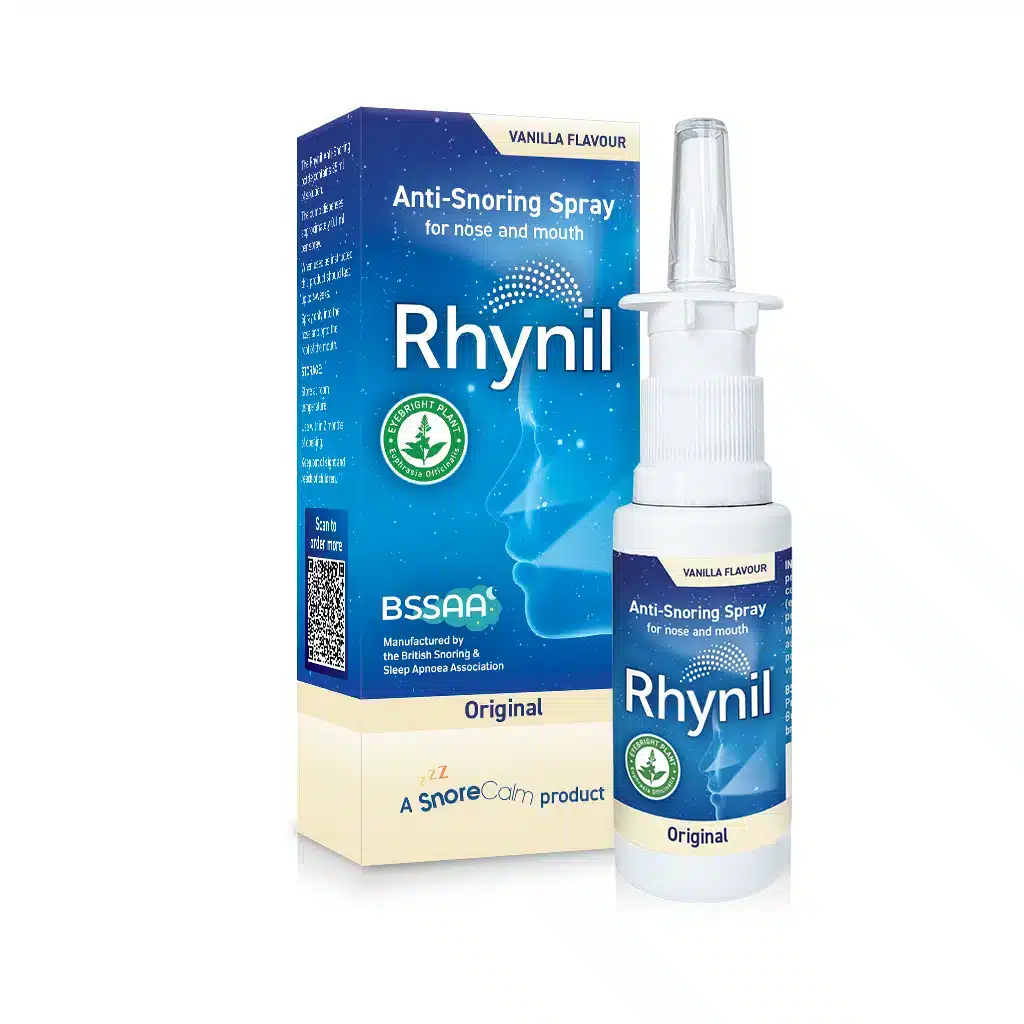
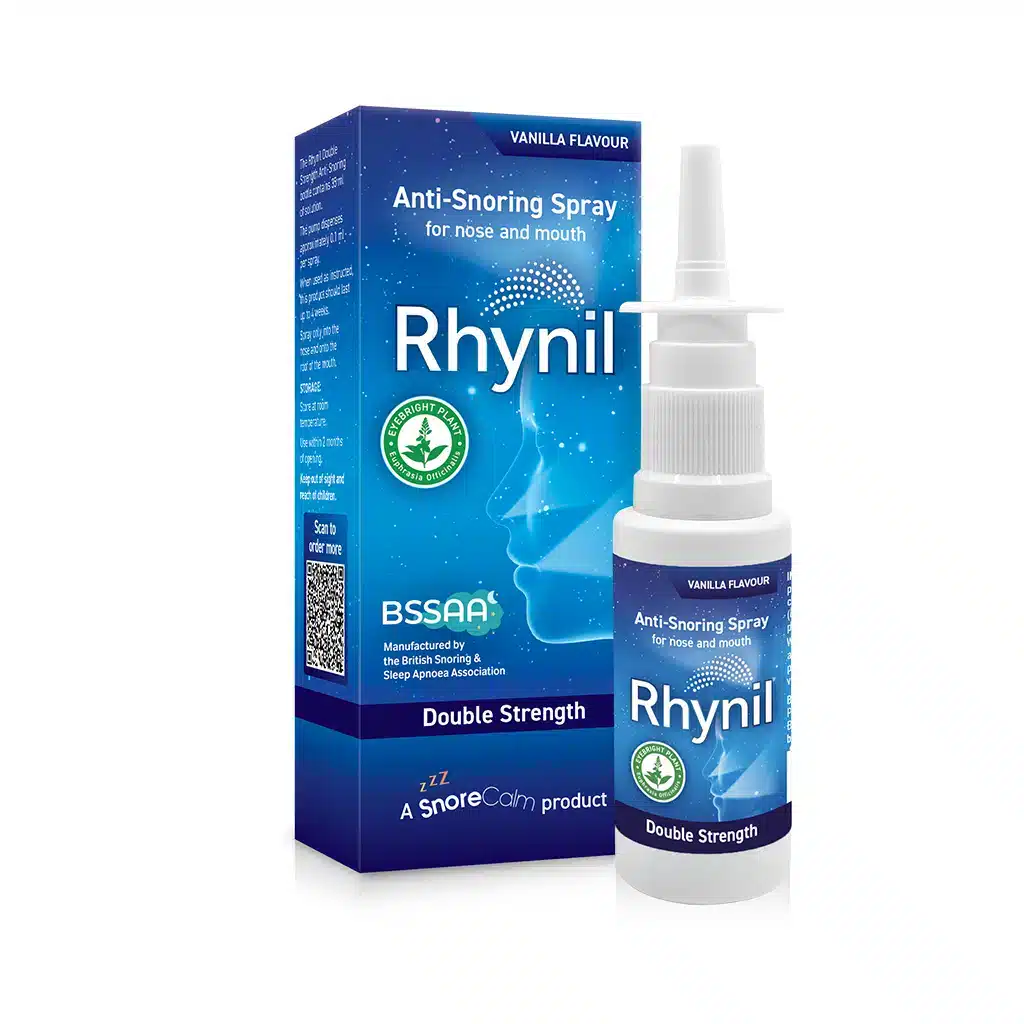
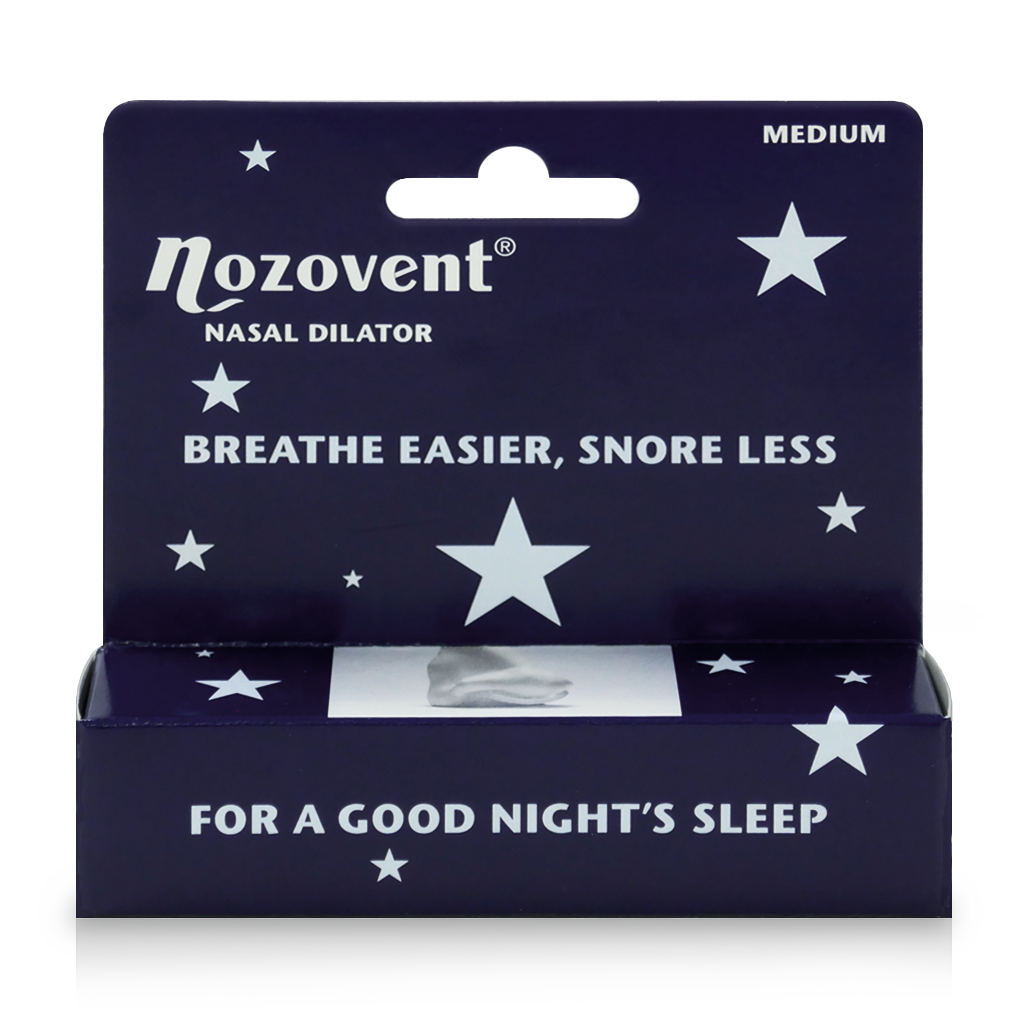
If alcohol tends to leave you feeling blocked or congested, supporting nasal breathing may help. This could include using a nasal spray, nasal strips, or nasal dilators to help keep the nasal passages clearer overnight.
Alcohol habits that support better sleep
Mindful changes to drinking habits can sometimes make a bigger difference to sleep than people expect, particularly when snoring has become more noticeable.
How much alcohol is recommended?
In the UK, NHS guidance reflects advice from the Chief Medical Officers that both men and women should not regularly drink more than 14 units of alcohol per week.
If you do drink up to this amount, it’s best to:
• Spread it across three or more days
• Avoid saving it all for one evening
• Include a few drink-free days each week to give your body time to recover
What is one unit of alcohol?
One unit is defined as 10ml or 8g of pure alcohol, but the number of units in a drink depends on its size and strength.
For example:
• Single small shot of spirits (25ml, ABV 40%) is 1 unit
• Small glass of red/white/rosé wine (125ml, ABV 12%) is 1.5 units
• Pint of lower-strength lager/beer/cider (ABV 3.6%) is 2 units
If snoring feels worse after drinking alcohol, you’re not alone. As explained, alcohol can make breathing noisier during sleep by relaxing the airway and affecting nasal breathing.
What matters most is awareness. Simple steps such as drinking earlier in the evening, staying hydrated, adjusting sleep position and supporting nasal or jaw alignment can help make nights feel more comfortable when alcohol is involved.
If snoring is frequent, very loud, or linked with disrupted breathing or daytime tiredness, it’s worth seeking further advice from a healthcare professional. Otherwise, making a few considered adjustments can be a sensible place to start.
Other possible causes of snoring
Alcohol is just one of many factors that can contribute to snoring. Snoring is often influenced by a combination of things, which is why it can vary from night to night.