Management of OSAS is summarised below.
Medical
- Weight loss
- Avoidance of CNS depressants, including alcohol
- Respiratory stimulants (e.g. progesterone, acetazolamide and theophyline)
- Protriptyline
- Continuous positive airway pressure
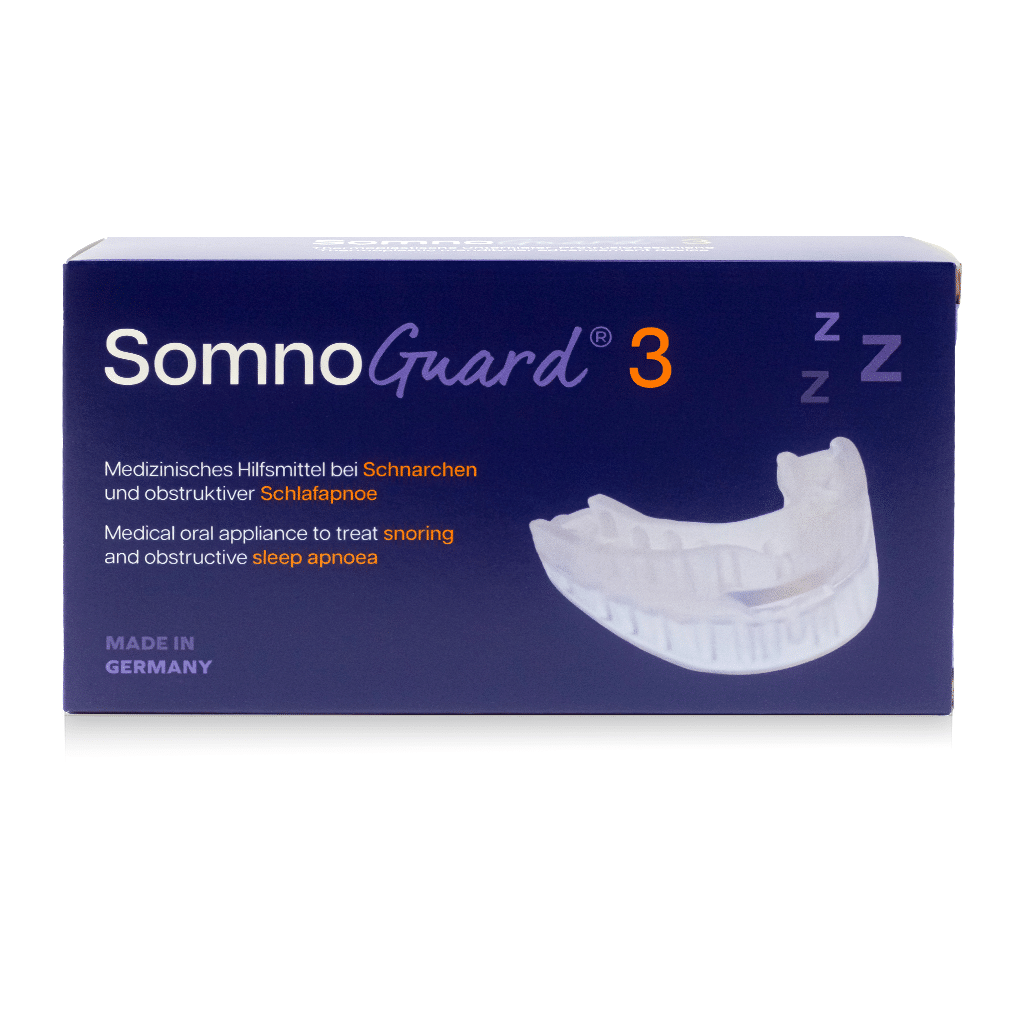
- Tongue retaining devices
- Position alarm
- Nasopharyngeal intubation
- Treat associated medical disorders
Surgical
- Adenotonsillectomy
- Nasal surgery (submucus resection, septoplasty, polypectomy, turbinectomy)
- Uvulopalatopharyngoplasty
- Tracheostomy
- Mandibular advancement or reconstruction
- Expansion hyoidplasty
- Weight reduction surgery
Management may be medical or surgical, depending on the predominant type of apnoea, and the severity of functional and physiological aberration. All patients, irrespective of type of apnoea, should be advised to avoid CNS depressants, including alcohol. Weight reduction should be strongly encouraged as it can decrease the severity of apnoea in obese patients. In morbid obese patients, weight reduction surgery could be considered.
Medical: progesterone, which is a recognised repiratory stimulant, has been found to be beneficial in OSAS. However, decreased libido, impotence and alopecia are major side-effects in male patents and limit its frequent and long- term use.
- Acetazolamide, which is a carbonic anhydrase inhibitor, stimulates respiration by increasing the concentration of hydrogen ions in arterial blood and has been useful in some cases.
- Protriptyline, which is a non-sedating tricyclic antidepressant suppresses REM sleep and is indicated in those patients with little or no apnoea associated with non- REM sleep.
- Theophyiline, which increases hypoxic ventilatory drive, has been used successfully in premature infants.
The use of tongue retaining devices (TRD) and nasal continuous positive airway pressure (CPAP) is effective, but patient compliance is poor; nasal CPAP splints the airway open with positive pressure and TRD prevents retrolapse of the tongue during sleep. A position alarm is appropriate for patients who have moderate to severe apnoea in the supine position, but little or no apnoea in the lateral position.
Surgical: adenotonsillar hypertrophy is a common cause of pediatric sleep apnoea and adenotonsillectomy is curative. Micrognathia and retrognathia are amenable to mandibula corrective surgery (reconstruction or advancement).
Tracheostomy is the only totally effective treatment but because of the special care required and the possible complications, it is not a preferred primary treatment. It is only indicated in patients with severe apnoea, which is not amenable to other forms of surgical treatment and oxygen desaturation below 50% or a bradycardia of 40-45 beats/ minute with significant arrhythmias. Uvulo-palato-pharyngoplasty (UPPP) was introduced as a new surgical procedure for the treatment of OSAS in 1981 and has since been modified.The procedure involves tonsillectomy, amputation of the uvula and appropriate (4-6 mm) resection of the soft palate and redundant pillars of fauces.
The success rate has been reported to be 25-75%. It is most effective when the obstruction is in the velopharyngeal sphincter area. In lower pharyngeal (i.e. hypopharynx, tongue base, epiglottis and/or ayepiglottic fold) obstruction, other surgical procedures, such as tracheostomy or Mandibular-hyoid reconstruction are required.