Disclaimer: This article is for informational purposes only and isn’t intended to diagnose, treat, or replace professional medical advice. If you experience persistent snoring or symptoms of sleep apnoea, please speak to a qualified healthcare professional.
National Stop Snoring Week (27th April–3rd May) is back, marking the return of a national campaign dedicated to raising awareness of snoring and sleep apnoea, and helping people better understand their sleep.
This year’s campaign focuses on the hidden costs of snoring.
Snoring is often dismissed as a minor annoyance – something that disrupts sleep but has little impact beyond the night.
In reality, both snoring and undiagnosed obstructive sleep apnoea (OSA) can have a much wider effect than many people realise. From energy levels and productivity to relationships and finances, the consequences can extend well into daily life.
In fact, when the knock-on effects on sleep, productivity, and everyday habits are considered, snoring could be quietly costing some UK households £5,000 or more per year.
For some, it’s occasional and mild. For others, it can be frequent, loud, and disruptive – sometimes linked to conditions such as obstructive sleep apnoea, where breathing repeatedly stops and starts during sleep.
Despite this, OSA remains significantly underdiagnosed, meaning many people may be living with symptoms without realising it.
The wider impact of poor sleep on productivity
The cost of snoring is not limited to what you spend directly.
While this is not a direct out-of-pocket cost, it highlights how sleep disruption can affect:
Concentration and focus
Energy levels
Day-to-day performance
This broader impact plays an important role in understanding the true cost of snoring.
How the costs of snoring build up over time
The financial impact of snoring is rarely the result of a single large expense. Instead, it develops through small, repeated behaviours.
For a typical snore-affected household, this can include:
Fatigue-related spending
Poor sleep often leads to low energy the next day, increasing reliance on convenience. When you’re tired, it’s natural to look for quick ways to boost your energy.
Extra coffees or energy drinks
Convenience meals instead of cooking
Small purchases that make the day feel easier
£40 a week can amount to around £2,080 per year per person, or £4,160 for a couple.
Trial-and-error product solutions
If you’ve tried to address snoring, you may already know that not every solution works for everyone.
Many people try a range of products before finding something that helps.
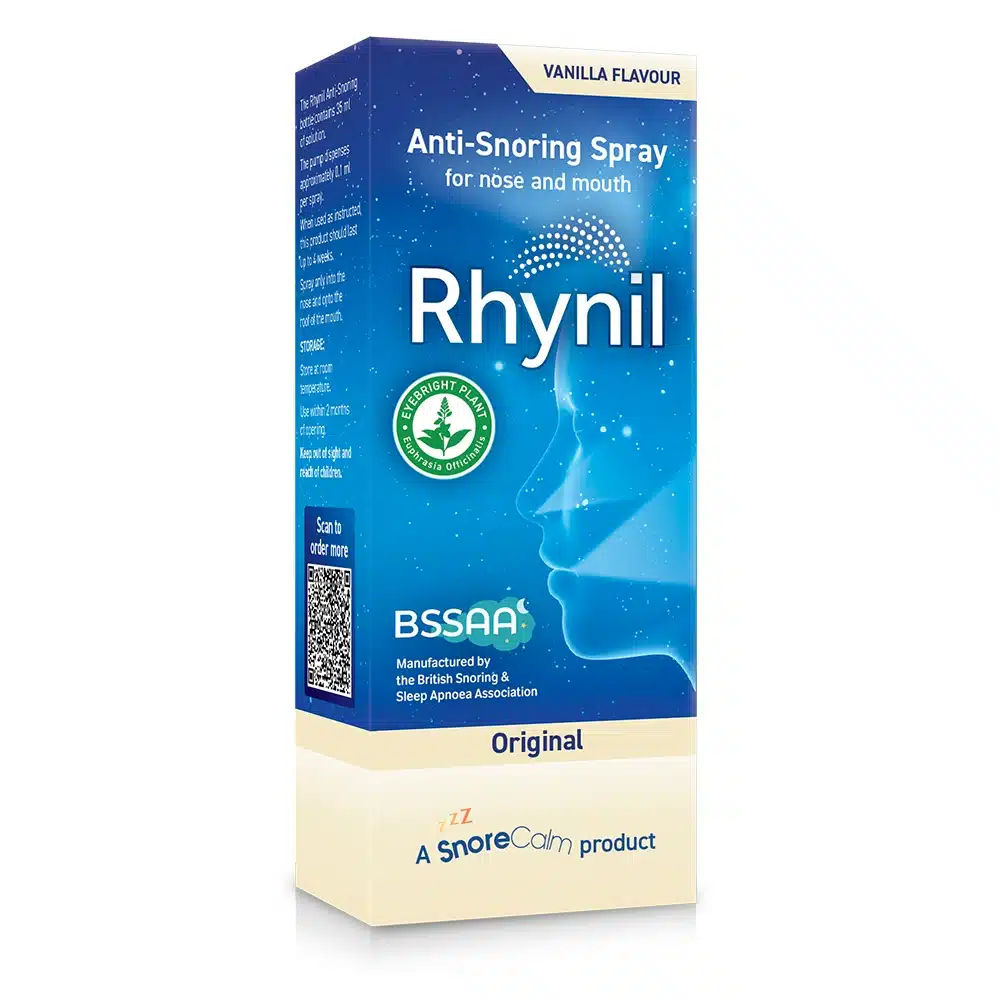
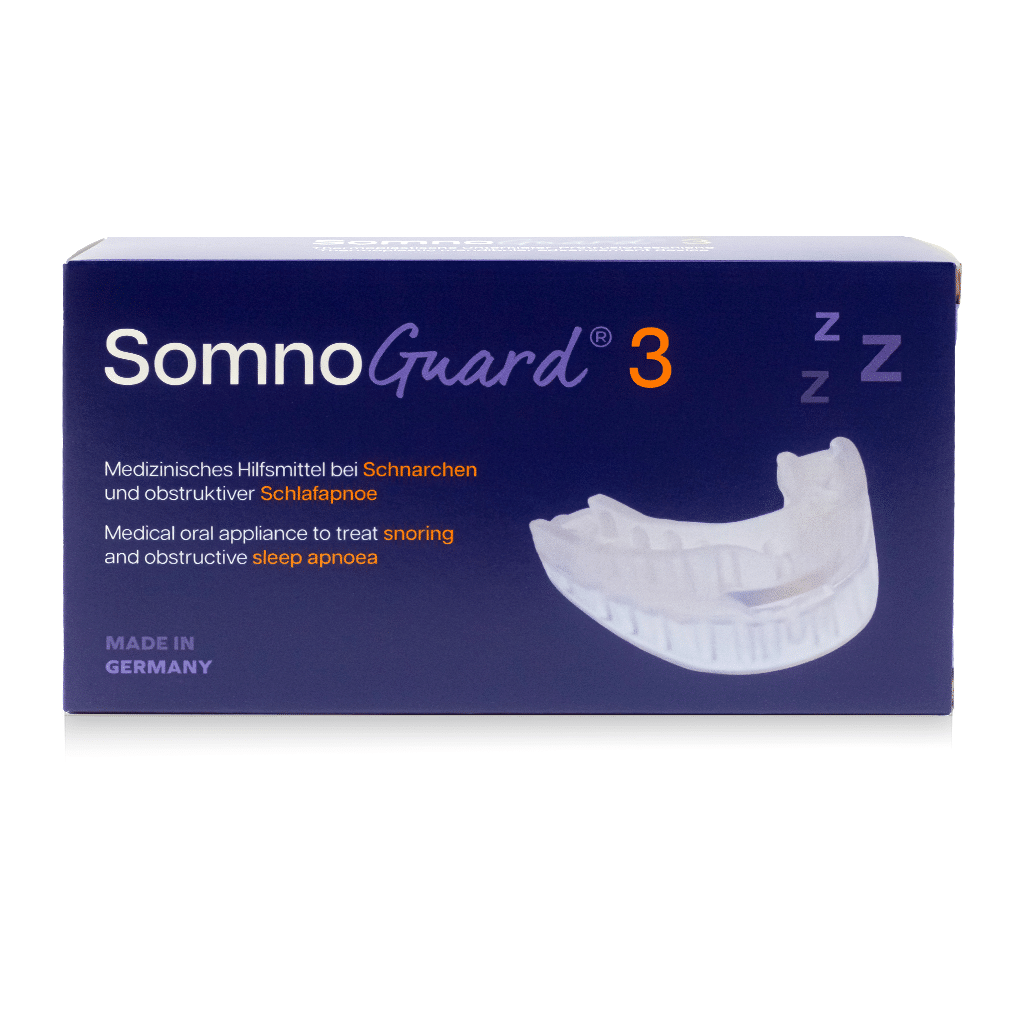
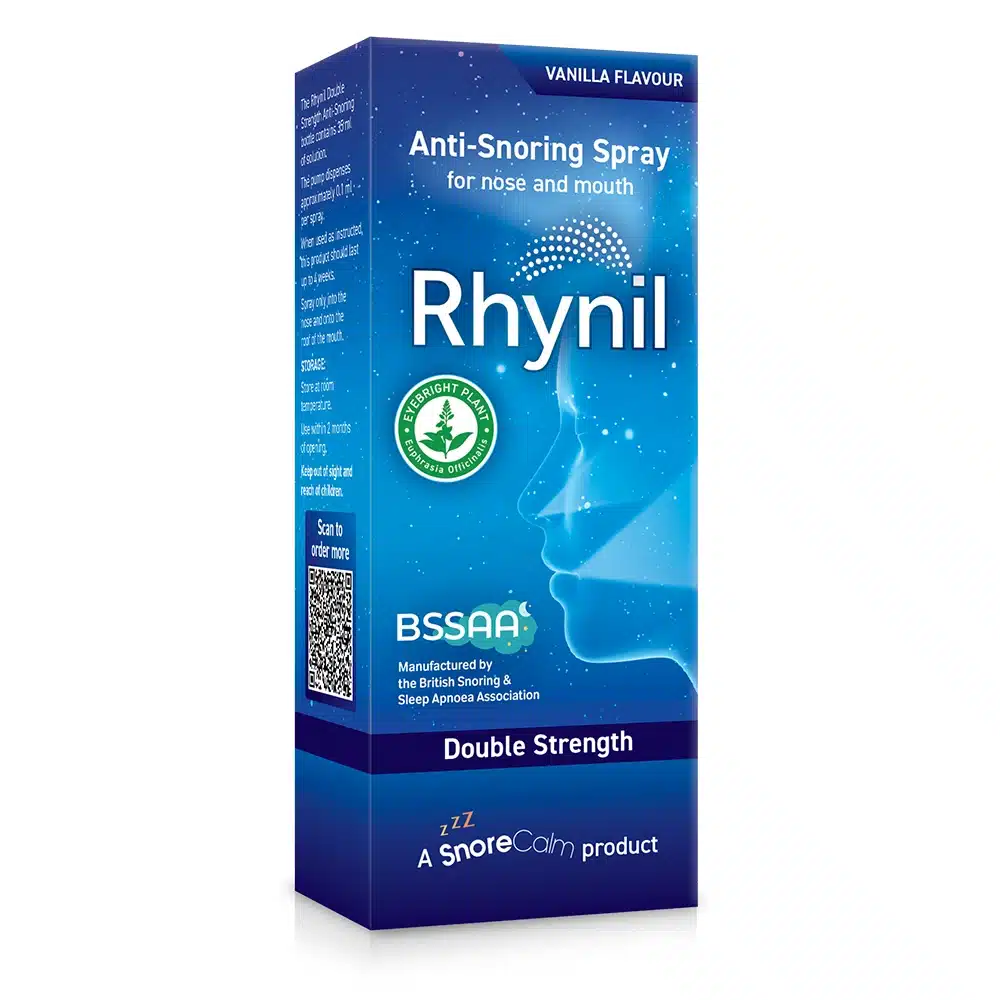
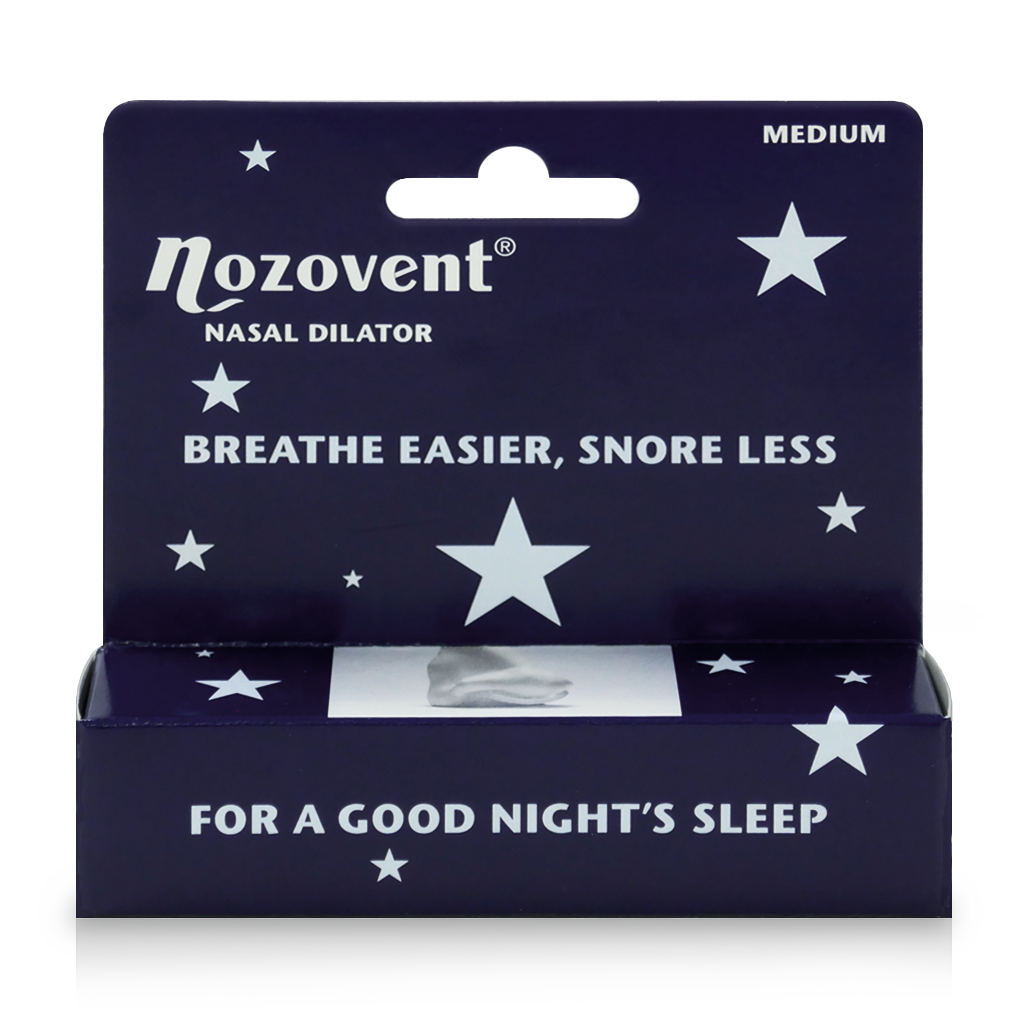
Sprays, strips or mouthpieces
Ear plugs or noise-cancelling options
White noise machines or other sleep tech
6 products per year at roughly £40 each could mean up to £240 per year spent on products.
Sleep disruption and lifestyle changes
Snoring can lead to adjustments in sleeping arrangements and additional purchases.
Upgrading bedding or sleep products
Changing sleeping arrangements, including separate beds or rooms
These changes are often gradual but can still carry both financial and emotional implications, estimated at around £800 per year.
Individually, these costs may seem manageable. Combined, they can become significant.
These figures are indicative and based on estimated household spending, showing how the effects of poor sleep can build up over time.
What is snoring costing you?
To make this more tangible, consider your own situation:
Do you find yourself spending more to get through the day when you’re tired, such as on coffees or convenience food?
Have you bought multiple products or solutions without finding one that fully works?
Do you feel more tired than you should during the day, even after a full night in bed?
Have your daily habits changed to cope with low energy or disrupted sleep?
Are you relying on short-term fixes rather than addressing the cause?
Has snoring affected how or where you and your partner sleep?
Have you noticed an impact on your focus, mood, or productivity?
When these everyday costs are considered alongside the wider productivity impact of poor sleep, the total can begin to approach or exceed £5,000 per year for some households.
The hidden impact goes beyond finances
While financial cost helps illustrate the impact, it’s only part of the picture. Over time, disrupted sleep can affect:
Energy levels and daily functioning
Mental wellbeing, including irritability, and low mood
Relationships, particularly where partners experience broken or poor-quality sleep
“When sleep is consistently disrupted, it doesn’t just affect how you feel physically. It can impact mood, relationships and overall wellbeing in ways people don’t always immediately recognise.”
Understanding the cause is key
If you’ve ever tried to address snoring and felt frustrated, you’re not alone.
One of the main reasons is that snoring isn’t one-size-fits-all. It can be linked to different causes, including:
Nasal congestion
Mouth breathing
Tongue relaxation during sleep
Sleep position
Obstructive sleep apnoea
Hormonal changes, including menopause
Without understanding the cause, it’s easy to try the wrong solution – which can lead to unnecessary cost and frustration.
The good news is that once you understand your snoring type, it becomes much easier to take a more targeted approach.
National Stop Snoring Week is your opportunity to take action
National Stop Snoring Week isn’t just about raising awareness – it’s about helping people take practical steps towards better sleep.
If snoring is affecting your sleep, your energy, or your day-to-day life, the first step is understanding what may be causing it.