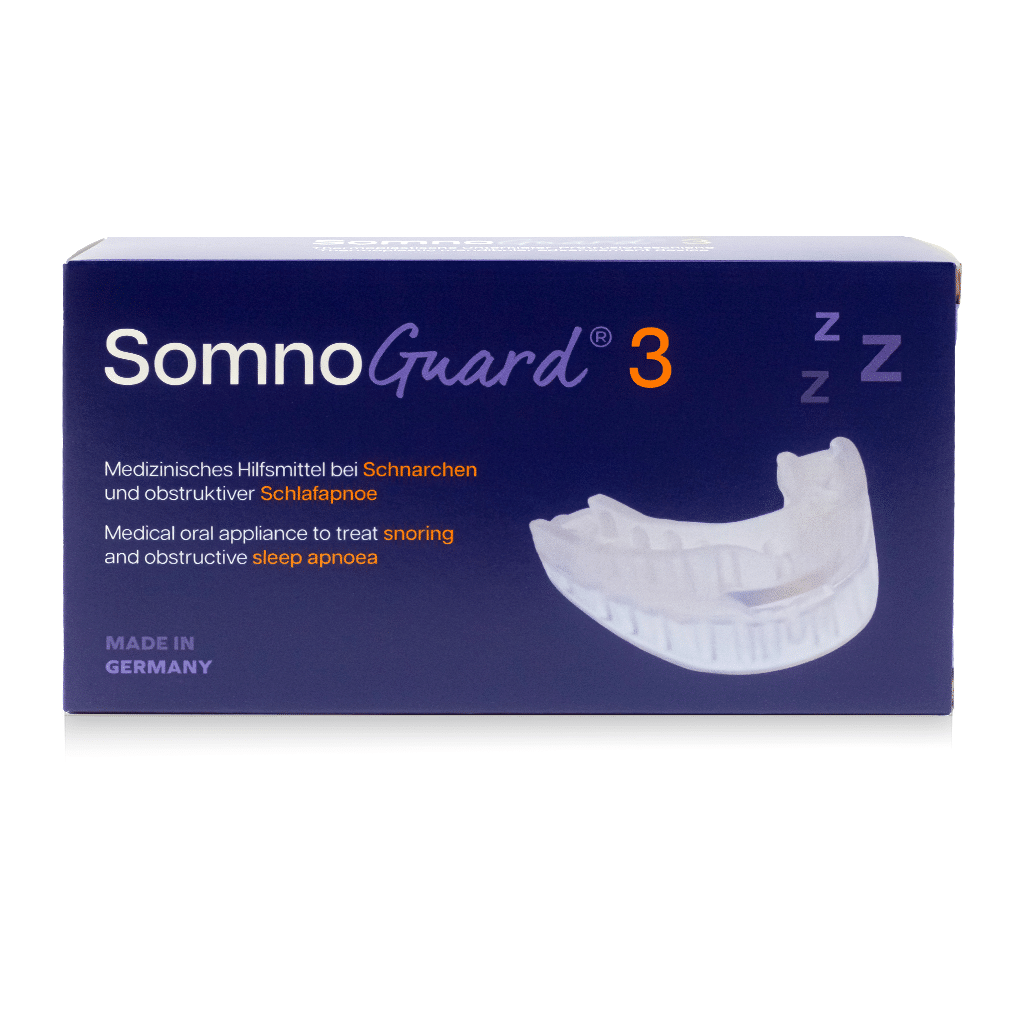
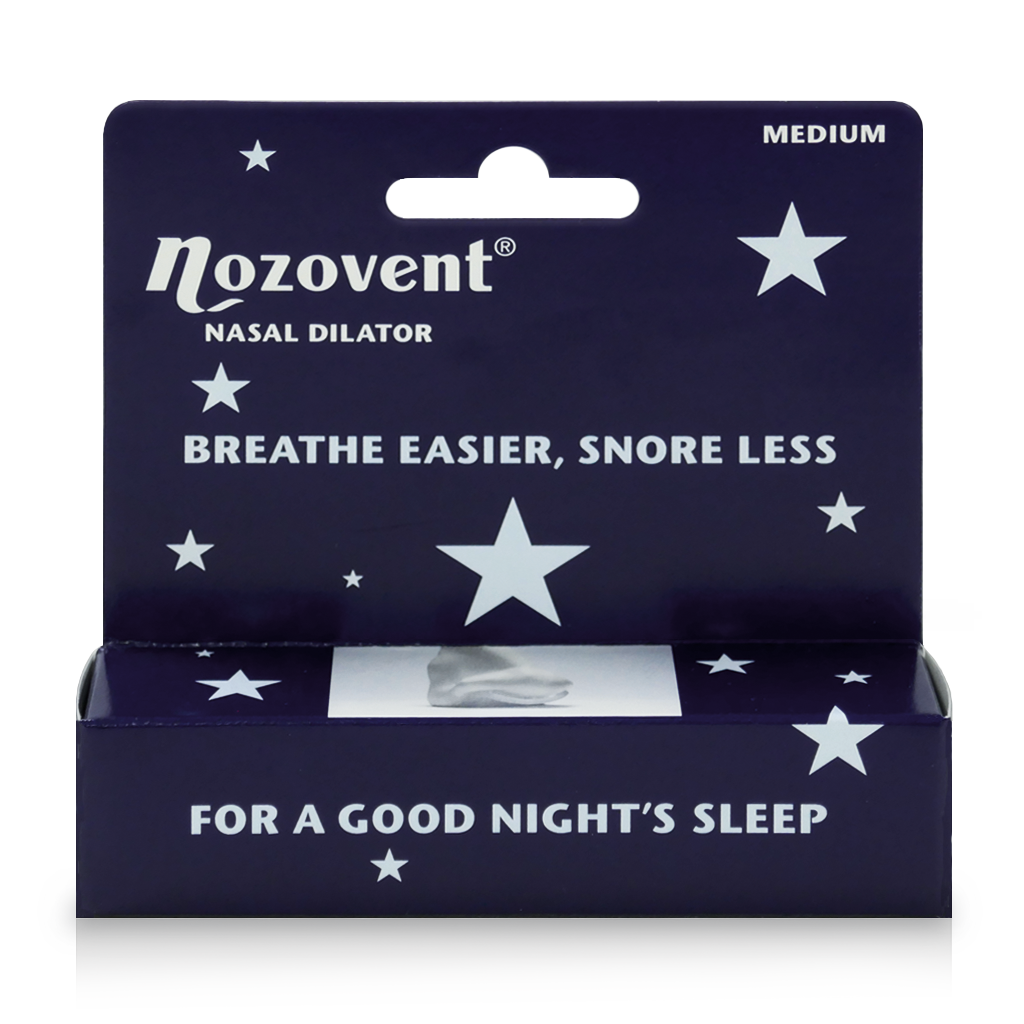
Disclaimer: This article is for informational purposes only and isn’t intended to diagnose, treat, or replace professional medical advice. If you experience persistent snoring or symptoms of sleep apnoea, please speak to a qualified healthcare professional.
Sleep… what sleep? Why menopause sleep problems can outlast the night sweats.
Struggling with sleep during menopause? Clinical psychologist and sleep expert Dr Maja Schaedel explores why sleep problems can persist beyond hot flushes and share advice to help you get your sleep back on track.
Hormones often light the match but understanding what keeps the fire burning is the key to getting your sleep back on track.
If you’re lying awake at 3am wondering whether you will ever sleep properly again, you are not alone. Somewhere between 40 and 60% of women experience sleep disruption during the menopause transition. Sleep becomes lighter, shorter and more broken, with more waking through the night, but one aspect that occurs commonly is the confusion and desperation when the menopause symptoms are under the control but the sleep still suffers.
“My hot flushes are so much better now, so why am I still not sleeping?”
What sets it off: the hormonal trigger
For many women, sleep problems begin with a clear trigger. As oestrogen and progesterone fluctuate and fall, a whole range of symptoms can start to disturb the night. The best known are vasomotor symptoms; hot flushes and night sweats, which can wake you suddenly in the early hours feeling hot and uncomfortable, sometimes several times a night.
But they are not the only culprits. Perimenopause can also bring:
Anxiety and low mood, which can make it harder to switch off and easier to wake early.
Nocturia (waking to pass urine), linked to changes in bladder and vaginal tissue as oestrogen falls.
Natural changes in sleep with age, so sleep tends to become lighter and more easily broken.
Higher rates of obstructive sleep apnoea and restless legs syndrome, both of which are worth recognising and getting checked.
These triggers are real and they matter. Treating them, whether with HRT or non-hormonal options, is often an important first step. However, treating the trigger does not always fix the sleep.
Why it keeps going: more than hormones
Perhaps one of the most surprising features of sleep is that even when you do everything “correctly”, you can still have sleep problems, but sleep problems can become a habit of their own. A significant number of women find their insomnia continues long after their other menopause symptoms have settled.
What starts a sleep problem is often not what keeps it going.
Think of it like a fire. Hot flushes and night sweats can be the match that lights it. But once a fire is burning, it is the fuel around it that keeps it alight. You can blow out the match (for example by getting your vasomotor symptoms under control) and the fire can still carry on.
In sleep, that fuel is usually an interaction between physical, psychological and behavioural factors. None of these is a sign you are doing something wrong. In fact, most of them start as completely understandable ways of coping with being exhausted.
PHYSICAL
PSYCHOLOGICAL
BEHAVIOURAL
A weakened sleep drive from napping or dozing
Worrying about sleep and how you will cope tomorrow
Going to bed early to “catch up”
Lighter sleep with age
A racing mind at bedtime
Lying in or napping
Alcohol, caffeine and late meals
Your “fight, flight, freeze” system on high alert at night
Falling asleep on the sofa
Any remaining menopause symptoms
Bed becoming linked with being awake
A glass of wine to help you nod off
Physical factors
Your body builds up a sleep drive from the moment you wake. A chemical called adenosine gradually rises through the day, and the higher it gets, the more easily you fall asleep and stay asleep. When you are exhausted, it is natural to nap, doze on the sofa in the evening or have an early night. Each of these lets off some of that pressure, so by the time you get into bed your sleep drive is weaker. Alcohol is another common one. It can help you drop off faster, but it reduces REM sleep and makes sleep lighter and more broken in the second half of the night.
Psychological factors
To fall asleep, our brain needs to feel safe enough to switch off. After weeks or months of bad nights, many women start to dread bedtime. You might find yourself checking the clock, calculating how many hours are left, or worrying about how you will get through tomorrow. This switches on the body’s fight, flight, freeze response, raising your heart rate and alertness at exactly the moment you need to wind down. Over time, the brain can learn to link the bed with being awake and on alert, which is why some people feel sleepy on the sofa but wide awake the moment their head hits the pillow.
Behavioural factors
The things we do to cope with poor sleep often make complete sense in the short term. Going to bed earlier, staying in bed longer in the morning, cancelling exercise because you are too tired, or relying on wine to help you nod off. The trouble is that these habits can quietly weaken your sleep drive and strengthen the link between bed and wakefulness.
How they feed each other
These three areas do not work in isolation. They interact and reinforce each other, creating a cycle that can keep going on its own, even once the original hormonal trigger has been treated:
A bad night → exhausted and worried → nap, early night or a glass of wine → weaker sleep drive → alert and anxious in bed → another bad night
The good news? The brain is a learning machine. If poor sleep can be learned, healthy sleep can be relearned too.
What helps
Because poor sleep in menopause usually has more than one cause, the most effective approach tackles both the trigger and the things keeping it going.
Treat the triggers
HRT can be very effective for night sweats and hot flushes. The choice of progestogen can matter too, and micronised progesterone may have a helpful effect on sleep.
Vaginal oestrogen and good bladder health support can help with night-time waking to wee.
Non-hormonal treatments are available if HRT is not suitable or not your choice, and some antidepressants can specifically help with sleep.
Get checked if you snore, stop breathing in your sleep, or have uncomfortable urges to move your legs at night.
Address what keeps it going
Identify your perimenopause poor sleep triggers
Break the poor sleep habit (e.g. when you can’t sleep, get up and reduce time you spend awake in your bed)
Dampen your fight flight freeze response (e.g. relaxation exercise)
Boost your sleep drive (e.g. stop the evening dozing on the sofa)
Shift your sleep disruptors (e.g. less wine in the evening)
It is not about being “perfect” or having the perfect sleep lifestyle.
A few places to start:
Keep a regular wake-up time, even after a bad night.
Beware early nights, and try not to doze on the sofa in the evening.
Avoid naps and move your body in the day, outside if you can.
Have caffeine before midday, and keep alcohol low and earlier in the evening.
Wind-down effectively before heading to bed, to give yourself a chance to offload your thoughts.
If you are awake and frustrated in bed, get up and do something calm until you feel sleepy again.
Help is available
For insomnia: Cognitive Behavioural Therapy for Insomnia (CBT-I) is the recommended first treatment for long-term insomnia. Ask your GP about access, or you can find it through digital programmes such as Sleepio or Sleepstation, or 1-2-1 with a sleep specialist.
For menopause: Speak to your GP about your options, including HRT, or about accessing a specialist women’s health or menopause clinic.
Further reading:Overcoming Insomnia by Colin Espie and The Sleep Book by Guy Meadows.
This blog is for general information and is not a substitute for personal medical advice. If you are worried about your sleep or menopause symptoms, please speak to your GP or a healthcare professional.
Dr. Maja Schaedel, Sleep Expert & Clinical Psychologist, Director of The Good Sleep Clinic
You do not have to put up with poor sleep during perimenopause and menopause.